Multiple mechanisms underlie the development of diabetes-induced organ dysfunction, including chronic inflammation, oxidative stress and fibrosis. Existing drug treatments that lower blood sugar levels and blood pressure, only slow progression of the disease and are not effective at stopping or reversing diabetes-induced renal fibrotic conditions and can even be toxic to the kidneys. Currently, there is no available treatment to reverse or even halt its progress short of kidney transplantation. The lack of treatment can be devastating for the millions of people around the world affected by kidney fibrosis.
New angle for kidney fibrosis
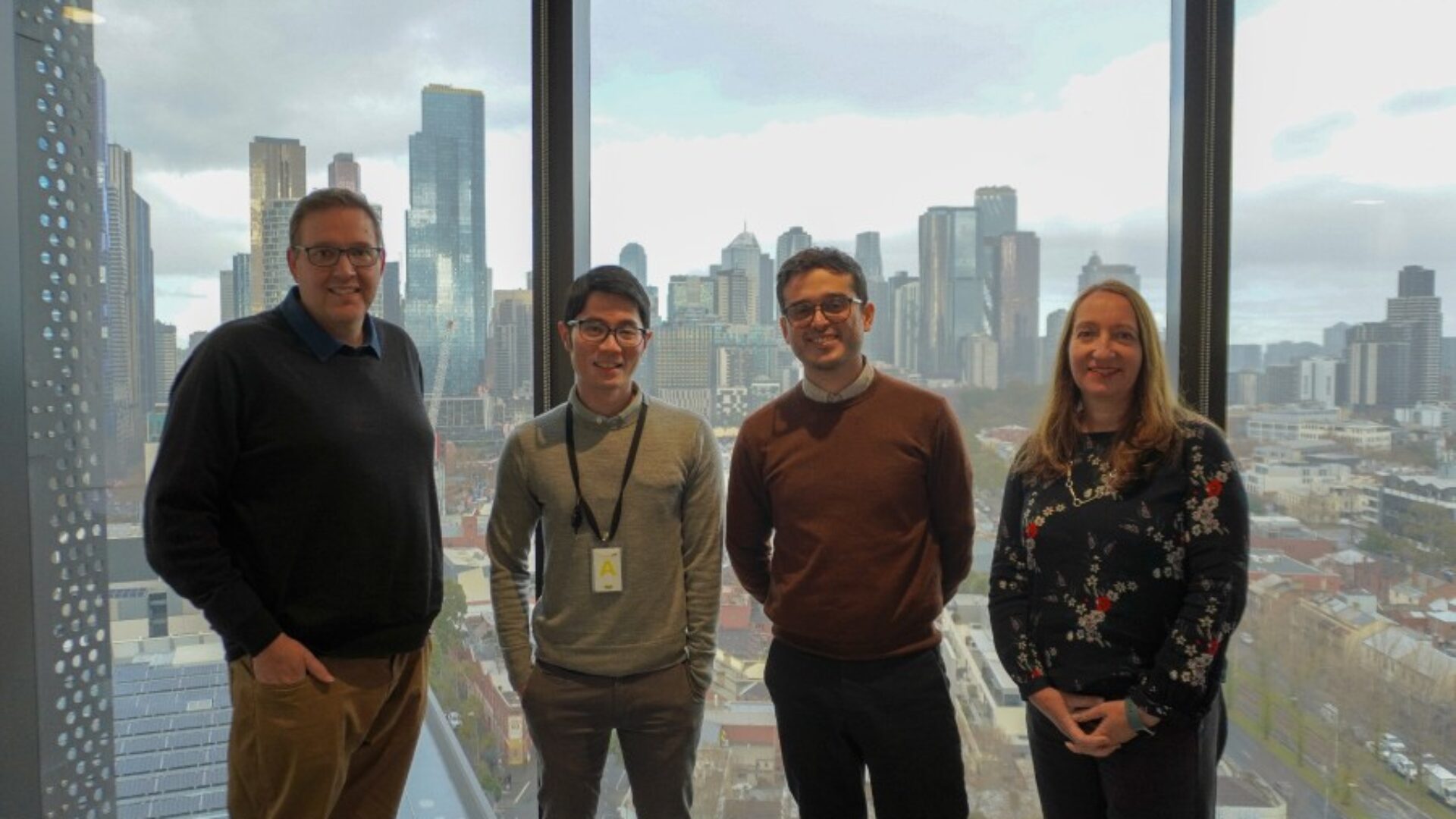
However, Inosi Therapeutics, a company founded on research from Monash University researchers Associate Professor Siew Chai, Associate Professor Tracey Gaspari, Professor Philip Thompson and Professor Rob Widdop, have discovered a promising new angle to address CKD and diabetes-associated fibrosis.
Identifying and targeting a particular enzyme – Insulin Regulated Aminopeptidase (IRAP), which is associated with fibrosis and inflammation in both human and preclinical models of renal disease – Inosi have developed compounds that can inhibit the enzyme and, potentially, reverse the established fibrosis and inflammation associated with diabetes.
In 2021, the Inosi research team secured $704,230 funding through the inaugural round of the Targeted Translation Research Accelerator (TTRA) Research Projects opportunity.
Prior to the TTRA funding, the research team had demonstrated that IRAP deficiency and IRAP inhibitor treatment in multiple preclinical in vivo models of renal (and cardiac) disease could prevent or reverse fibrosis. These results, together with strong selectivity data, provided robust validation for IRAP as a therapeutic agent.
At this stage the IRAP inhibitors did not have properties suitable for further development as orally delivered drugs, so the TTRA project aimed to optimise and test the company’s lead IRAP inhibitor series to deliver bioavailable lead candidates suitable to take into preclinical development.
Support from TTRA program boosts progress
Co-founder of Inosi Therapeutics A/Prof Tracey Gaspari said the TTRA funding provided a significant benefit in moving this unique approach to treat CKD toward the clinic to help those living with the condition.
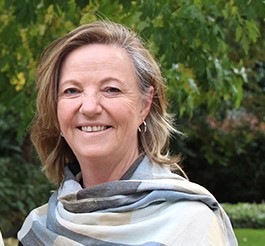
A/Prof Tracey Gaspari, co-founder of Inosi Therapeutics
“CKD is an incredibly complex and debilitating disease, but we believe that Inosi’s novel drugs have unique mechanism of action that target multiple pathways to reduce organ damage and benefit many Australians in need,” said A/Prof Gaspari.
The TTRA funding was critical in Inosi securing additional investment from IP Group and Monash University in a $1.5 million seed round. This significant backing enabled the company to transition from an academic research environment and build a corporate presence. It also enabled Inosi to foster strategic connections with external researchers, clinicians and commercial parties to work towards translation of the drugs.
A/Prof Gaspari said the exposure generated from the TTRA project has provided new research opportunities to investigate IRAP as a target in other cardiovascular and fibrotic diseases. This has included development of strong collaborations with other discovery researchers within Monash University as well as clinicians at a number of tertiary hospitals in Victoria and interstate.
Over the course of the TTRA project the Inosi team also benefitted from working closely with TTRA Partner UniQuest2. Inosi found UniQuest’s industry and drug development expertise instrumental in guiding the team, particularly the UniQuest team’s ability to understand the complexities of industry-academic relationships.
Translating medical science into novel therapeutics
By the end of the TTRA program project, Inosi had accelerated the expansion and diversification of the initial library of compounds by conducting extensive structure-activity relationship (SAR) to better understand the inhibitor design limitations.
The lead compounds developed during the project demonstrate significantly enhanced potency in acute and chronic kidney fibrosis models and show no signs of toxicity while maintaining target selectivity.
Reflecting on the project, Chair of Inosi Therapeutics, David Phillips, said the company is very pleased to have been involved in the TTRA program.
“This funding program has accelerated the translation of leading-edge Australian science and medical innovation, originating from Monash University and further developed by Inosi, into novel therapeutics for the benefit of patients with CKD.”
“The outcomes from the project will benefit Australians in need and will further enhance the reputation of Australian-originated medical science translated into novel therapeutics,” said Mr Phillips.
A/Prof Gaspari added, “The TTRA support, combined with backing from both IP Group and Monash University, has enabled the medicinal program to advance substantially and build a deeper understanding of the SAR.
“This brings us closer towards achieving our goal of improving the lives of people living with this terrible condition.”
In June 2025, Inosi announced it secured a further $2 million investment from IP Group and BioCurate to drive the company’s anti-fibrotic program forward, progressing their lead candidate into Investigational New Drug (IND) enabling studies in preparation for entering Phase I clinical studies in Australia.
Researchers hope the novel compounds developed by Inosi – once progressed through the clinic – will ultimately be used to help millions of people living with CKD and other fibrotic conditions.
NB. New competitive funding was awarded to Inosi Therapeutics through TTRA’s Drugs and Devices investment stream in 2025. See announcement here.
1. Kwok, R, MacIsaac, R, and Ekinci, E. (2023) Change the Future: Saving Lives By Better Detecting Diabetes-related kidney disease. Diabetes Australia, Australia.
2. The TTRA program has partnered with specialist organisations to provide translation advice and support to awarded projects. UniQuest provides specialist therapeutics support and is the commercialisation company of the University of Queensland.