Condoms are effective both as a contraceptive and for preventing sexually transmitted infections (STIs) – but only if they are used, and there remains resistance to doing so. Condom avoidance results in more than 120 million unintended pregnancies and more than 365 million STI cases each year[1],[2].
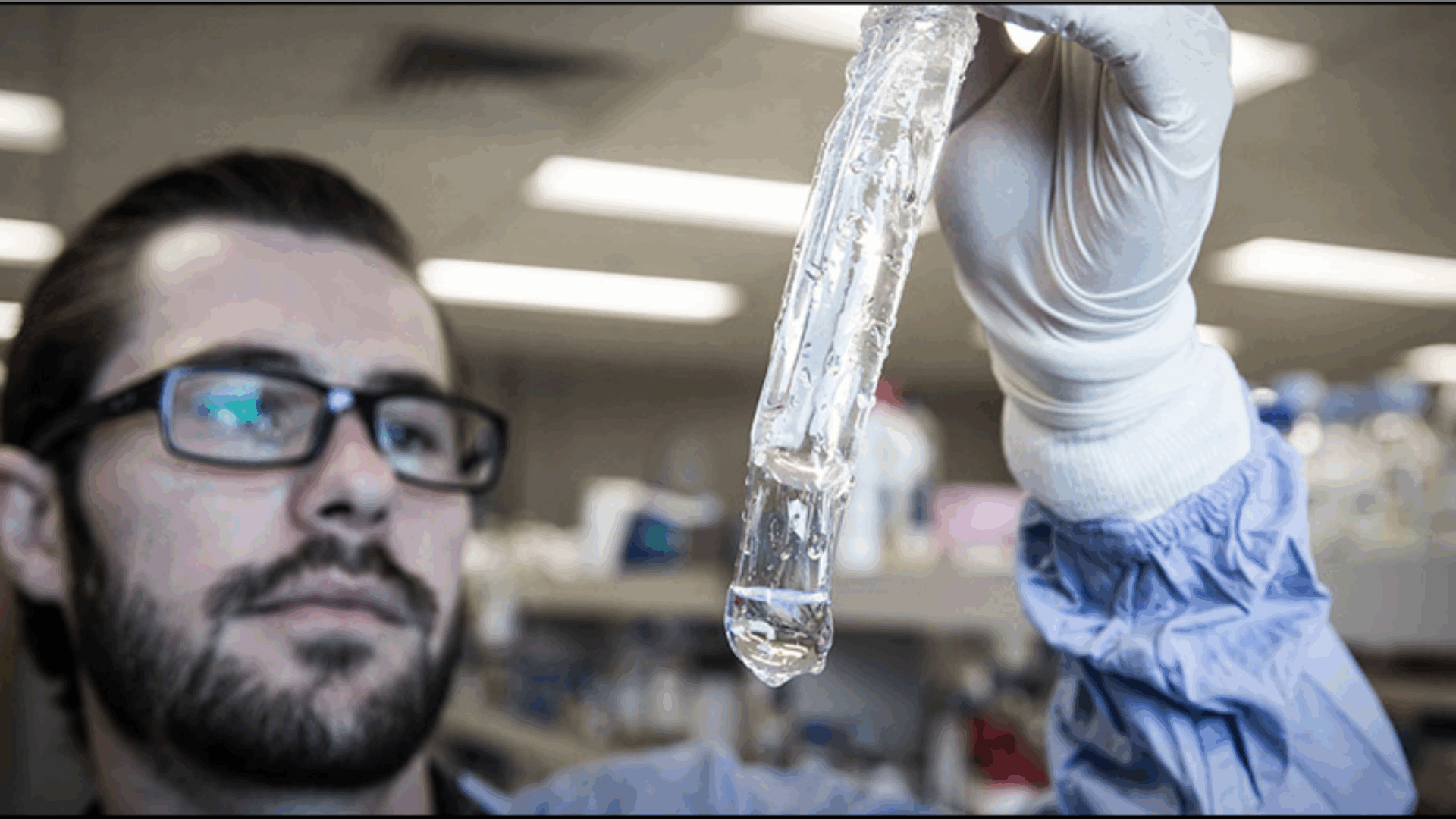
Eudaemon Technologies was founded in 2018 with the aim of disrupting the US$11 billion market[3] in condoms by using a proprietary platform technology to develop a world-first, superior-feeling condom made from tissue-like materials called tough hydrogels.
This innovative hydrogel condom has the potential to overcome fundamental issues with current condoms, like feel, allergies, odours and tastes while saving healthcare agencies millions of dollars.
“In the past we have approached condom manufacture as just putting a raincoat on, as opposed to wearing a cashmere sweater,” Nick Northcott, the Executive Chairman of Eudaemon Technologies, said.
“What we’re now producing is something that feels like skin and has a better outcome for women’s health. If you can make the experience better for both partners, then you are increasing the likelihood that condoms will be used.”
Eudaemon was awarded $1.5 million funding from MTPConnect’s Clinical Translation and Commercialisation Medtech (CTCM) Program to further develop their innovative solution. This support helped Eudaemon on its path to commercialise the condom through completion of a pilot clinical trial in 2023, a key step for regulatory approval.
“This CTCM project helped us show strong and compelling evidence of our product’s potential and demonstrated the benefits, features and performance for the consumer in real life in a clinical trial,” said Mr Northcott.
The project objectives included achieving manufacturing readiness of prototypes using Eudaemon’s proprietary systems, ensuring pre-clinical verification of devices to ISO standards, and executing the Phase 1 trial.
Find out more about Eudaemon Technologies’ commercialisation journey in our latest case study including the company’s efforts to successfully overcome some clinical trial hurdles and its fruitful collaborations with CSIRO, Bosch and MTAA.
[1] https://www.who.int/news-room/fact-sheets/detail/condoms