Many adults with diabetes experience a range of complications such as chronic kidney conditions and cardiovascular disease.
However, perhaps what is less well known, but affects a staggering 50 per cent of people living with diabetes, are mental health challenges[1]. These include depression, anxiety and eating disorders as well as diabetes distress, which is the negative emotional experiences resulting from the challenges of living with diabetes. This can include feelings of anxiety, guilt and burnout.
This in turn can lead to reduced engagement with managing their diabetes, such as taking medications regularly and on time, maintaining a healthy diet, physical activity and glucose monitoring.
Mental health challenges increase the risk of other diabetes complications four-fold, contributing to increased hospital stays, work absenteeism and a 50 per cent higher mortality rate than people without diabetes[2][3].
LISTEN telehealth solution designed to address emotional challenges
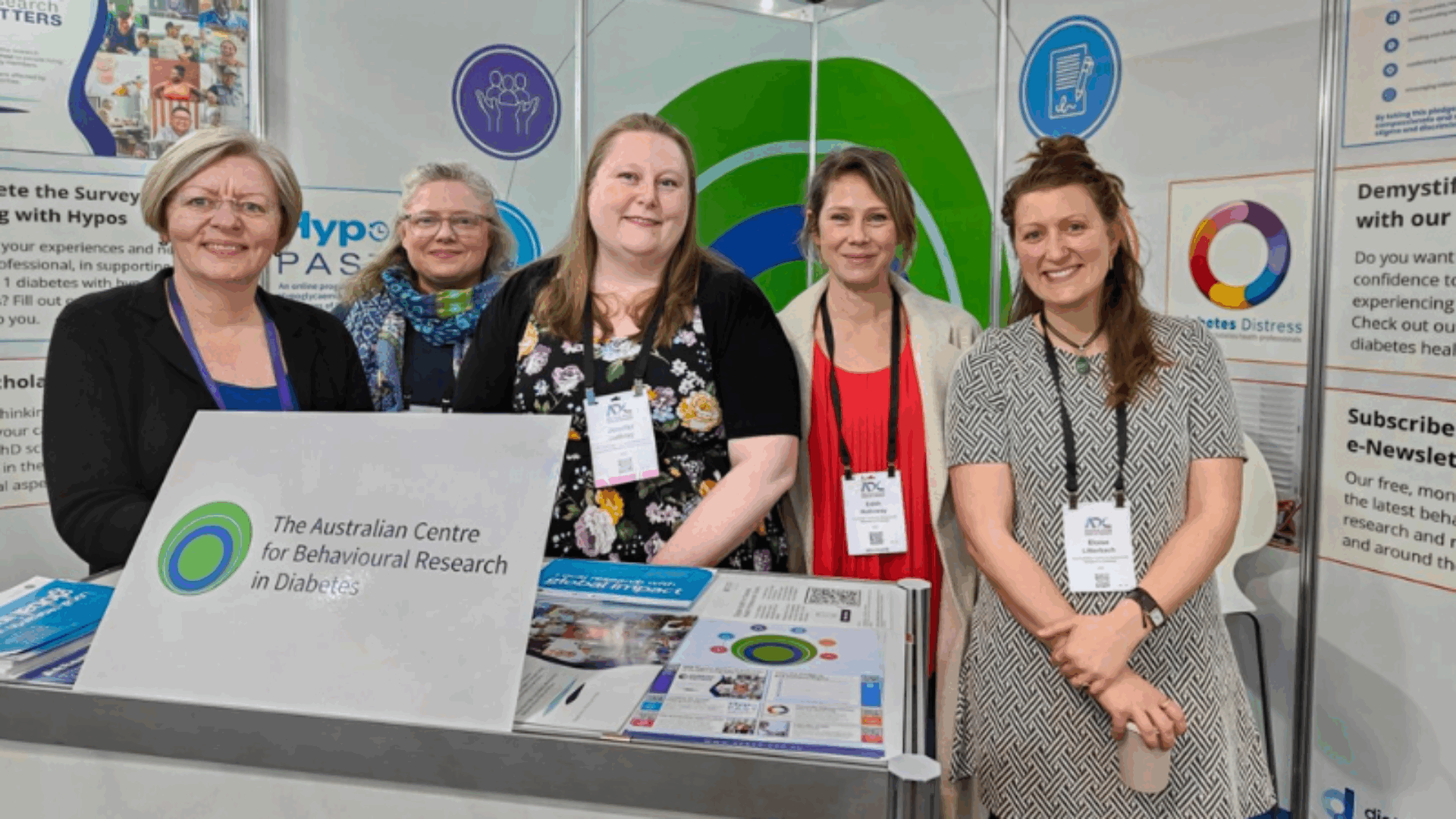
The LISTEN program, developed by researchers at the Australian Centre for Behavioural Research in Diabetes (ACBRD), a partnership between Deakin University and Diabetes Victoria, is designed to address the emotional challenges of living with diabetes.
LISTEN, which stands for Low Intensity mental health Support via Telehealth Enabled Network, provides a telehealth solution for integrated mental health and diabetes self-management support. The program is facilitated by trained diabetes health professionals, such as diabetes educators, and focuses on enhancing healthy coping, such as problem-solving skills.
In 2021, the ABCRD research team secured a $748,484 award through the inaugural round of the Targeted Translation Research Accelerator (TTRA) Research Projects opportunity and a further $700,000 in partner support (cash and in-kind) from Diabetes Australia, Diabetes Victoria and The Australian Diabetes Educators Association. The opportunity was delivered by MTPConnect, alongside invaluable support from TTRA Partner Australian Centre for Health Services Innovation (AusHSI)[4].
The TTRA funding enabled the researchers to clinically evaluate LISTEN over two years to ensure it is a feasible, useful and cost effective solution for improving mental health outcomes in adults with diabetes and CVD.
This important research generated the robust evidence needed to inform the clinical and commercial translation of LISTEN into a sustainable service with a lasting positive impact on the mental health of people with diabetes and CVD.
The TTRA-funded LISTEN project included an 18-month trial which recruited 429 people – 252 women, 172 men and three non-binary people – with type 1 and type 2 diabetes. Of those, 216 were randomly allocated to receive the LISTEN intervention, with 451 LISTEN sessions conducted over the course of the trial by five diabetes health professionals employed by Diabetes Australia.

The LISTEN project team (Dr Edith Holloway, Dr Christel Hendrieckx and Dr Roslyn Le Gautier) attend the 2022 ACADI Partnering Summit where Project Lead, Dr Holloway joined a special panel on ‘How not to get lost in translation’.
Trial highlighted program’s value
The trial evaluated outcomes at eight weeks and again after six months. It showed significant and clinical reductions and relief of diabetes distress among those people who participated in the LISTEN sessions. This was the case for participants with type 1 and type 2 diabetes at eight weeks that, encouragingly, was sustained at the six-month checkpoint.
Project Lead at ACBRD, Dr Edith Holloway, said the trial highlighted the value of the LISTEN program for people living with diabetes.
“It’s great to see the benefits immediately after the LISTEN program, but for these benefits to be maintained six months later is really positive,” said Dr Holloway.
Researchers found emotional well-being increased significantly for people who participated in the LISTEN program at 8-weeks and this was maintained at 6-months, compared to usual care.
The researchers said the results showed the clinical value of the program which, at an average of $262 per person, was also cost-effective.
“The cost-utility analysis, led by Professor Cathy Mihalopoulos at Monash University, suggests that the LISTEN intervention may be a cost-effective option that significantly improves a person’s quality of life and is likely to provide value for money for health care decision makers,” said Dr Holloway.
But the program also held some surprises for the researchers and delivered benefits beyond direct mental health improvements.
LISTEN led to increased exercise & healthy eating
Participants reported that the LISTEN program increased their participation in exercise and healthy eating. Participants also found that LISTEN increased their engagement with diabetes health professionals and their confidence in discussing their needs and preferences with them. Furthermore, diabetes self-management and glucose monitoring improved.
The initial success of the trial has led to interest from diabetes organisations and health insurance funds to provide the LISTEN program as a service to their clients and members.
The National Health and Medical Research Council has also provided nearly $600,000 in funding to support Dr Holloway to develop an online mental health resource hub for people with diabetes. The hub will include access to the LISTEN program.
There is also international interest from research groups such as DiaBEST in Norway, with discussions around the possibility of training diabetes health professionals in the LISTEN program and providing a referral option to Norwegians who screen positive for diabetes distress.
Back here in Australia, the project has been well-received by trial participants.
One participant said, “I felt listened to and supported in a very holistic way, and I liked that the health professional always praised me”.
Another said the project answered a need in diabetes care. “I think there is a need for help managing the emotional side of diabetes. I see a lot of people struggle with that,” they said. “I would just really recommend LISTEN. It’s so useful to me.”
Summing up, Dr Holloway said, “the LISTEN program has the potential to enhance the lives of over 700,000 adults living with diabetes who are experiencing mental health challenges, including diabetes distress. Our goal moving forward is to ensure community-wide access to this important and practical telehealth program.”
Find out more about LISTEN in this video [3:51 mins]

[1] https://www.diabetesaustralia….
[2] Van Dooren FE et al. Depression and risk of mortality in people with diabetes mellitus: a systematic review and meta-analysis. PloS one. 2013;8(3):e57058.
[3] Simon GE et al. Diabetes complications and depression as predictors of health service costs. Gen Hosp Psychiatry. 2005;27(5):344-351.
[4] The TTRA program has partnered with specialist organisations to provide translation advice and support to awarded projects. AusHSI provides specialist behavioural intervention support.