🔺 can access to new and improved antibiotics for hard-to-treat infections
🔺 implementation of a fairer and practical reimbursement system
🔺 stimulating the R&D pipeline for the next generation of antimicrobials.
With one in six bacterial infections now resistant to standard antibiotics, AAMRNet’s work is more important – and urgent – than ever before.
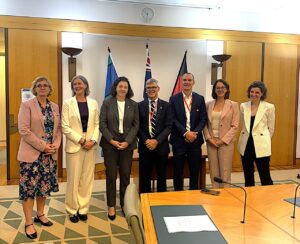
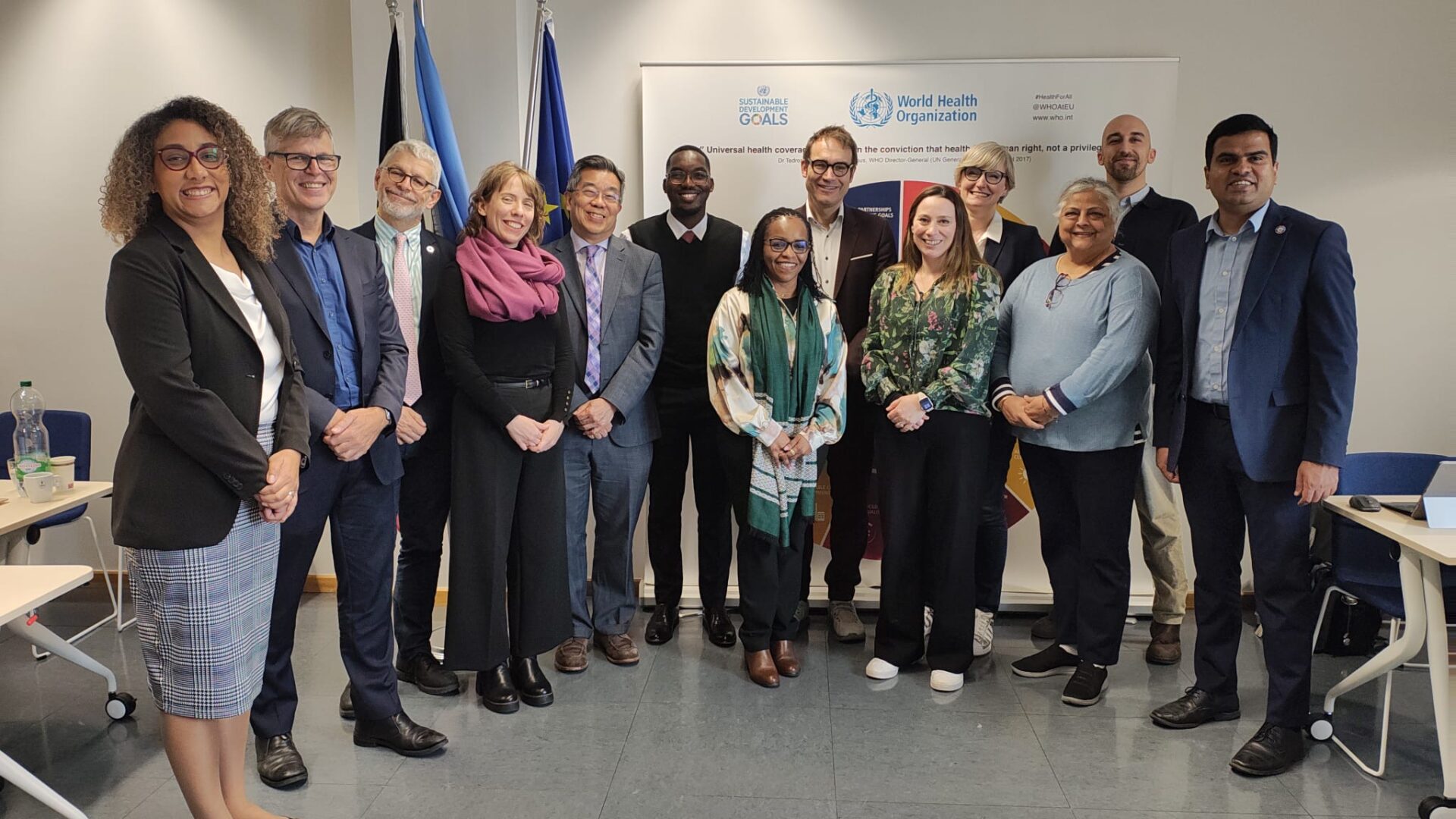
After meeting with independent MPs at Australia’s Parliament House in Canberra last week, Australian Antimicrobial Resistance Network (AAMRNet) is in Brussels, Belgium this week taking an important AMR message to the halls of the European Parliament.
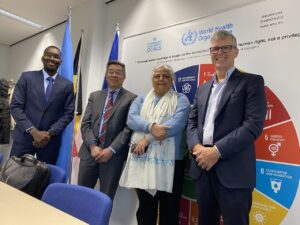
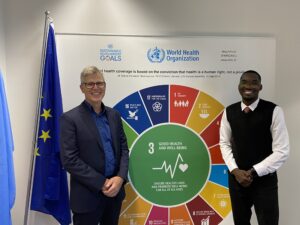
We are there for discussions with the World Health Organization and leading global organisations as a steering committee member of the WHO Civil Society Task Force on AMR.
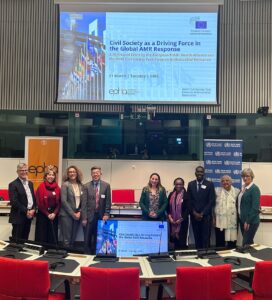
Was great to see the task force partnering with the European Public Health Alliance (EPHA) to bring the event to the European Parliament.
Civil Society is a driving force in the global fight against AMR – able to reach people and places that governments can’t. In short, any plan to combat antimicrobial resistance which doesn’t involve engagement with civil society is no plan at all.
MTPConnect is proud to join 80 other organisations from around the world on this important WHO task force, and excited to be selected for the 12-member steering committee.
Ensuring Australia has a seat at the decision-making table, along with the US, UK, Belgium, Brazil, India, Kenya, Nigeria, Pakistan, Switzerland, the Philippines and Tanzania, will allow us to take our AMR advocacy to a new level.
This involvement also recognises AAMRNet’s leadership role in Australia and the broader Asia Pacific region.
MTPConnect established and operates Australian Antimicrobial Resistance Network (AAMRNet) to provide thought leadership and drive action on AMR. Led by co-chairs Andrew Bowskill and Stuart Dignam, AAMRNet leverages our networks and resources, as well as our standing as an independent and trusted voice for the sector.
AAMRNet brings together experts from industry, research, clinicians, patients, civil society and government to identify and tackle the challenges of AMR.