
Hosted by Therapeutic Innovation Australia (TIA), the event underscored a simple truth: Australia’s ability to move discoveries from concept to clinic is inseparable from the strength of the National Critical Research Infrastructure Strategy (NCRIS).
What began as a strategic investment in research infrastructure has matured into a deeply interconnected network of capabilities that now anchors Australia’s drug discovery and development pipeline, for research teams from medical research institutes, universities and startups.
At the QDDA Symposium, it was clear just how important NCRIS has become for enabling technologies such as New Approach Methodologies (NAMs). NAMs can include in vitro technologies such as human organ-on-chip systems and organoids as well as in silico modalities such as AI-driven computational modelling and digital twins. They offer faster, cheaper, and more accurate predictive pathways to new therapeutics, while also aligning with ethical and sustainability expectations by reducing animal use.
Adopting New Approach Methodologies
Momentum behind the adoption of NAMs to assess chemical safety and efficacy for drug development is accelerating globally, and Australia is embracing this trend. Policy and legislative shifts in the US and EU – paired with growing political will to reduce and ultimately replace animal testing models – are reshaping the pharmaceutical development landscape. CSIRO Futures’ landmark 2023 report laid out clear, evidence‑based recommendations to strengthen Australia’s NAMs development and adoption.
MTPConnect’s work in the drug innovation sector is identifying the systemic barriers that continue to slow NAMs adoption. Chief among them is the need for a coordinated effort that connects the entire drug discovery pipeline – from early discovery through to market – and ensures that enabling research infrastructure, like that provided by the Australian Government’s NCRIS, is accessible, and future‑proofed. Research groups are now self‑organising to act on CSIRO’s recommendations – but they are doing so within a fiercely competitive funding environment that limits their ability to scale.
Queensland’s NCRIS‑enabled capabilities demonstrate the value of an interconnected system that is evolving to incorporate NAMs. The Centre for Integrated Preclinical Drug Development (CIPDD) is a Tier 2 translational facility specialising in pain medicine, with the ability to assess drug safety using NAMs under rigorous quality systems – a prerequisite for global regulatory acceptance. Together with Compounds Australia’s high‑throughput screening platform and the target validation and lead optimisation strengths of the Queensland Emory Drug Discovery Initiative, these facilities form the QDDA: a coordinated alliance designed to accelerate investment‑ready lead molecules and data packages.
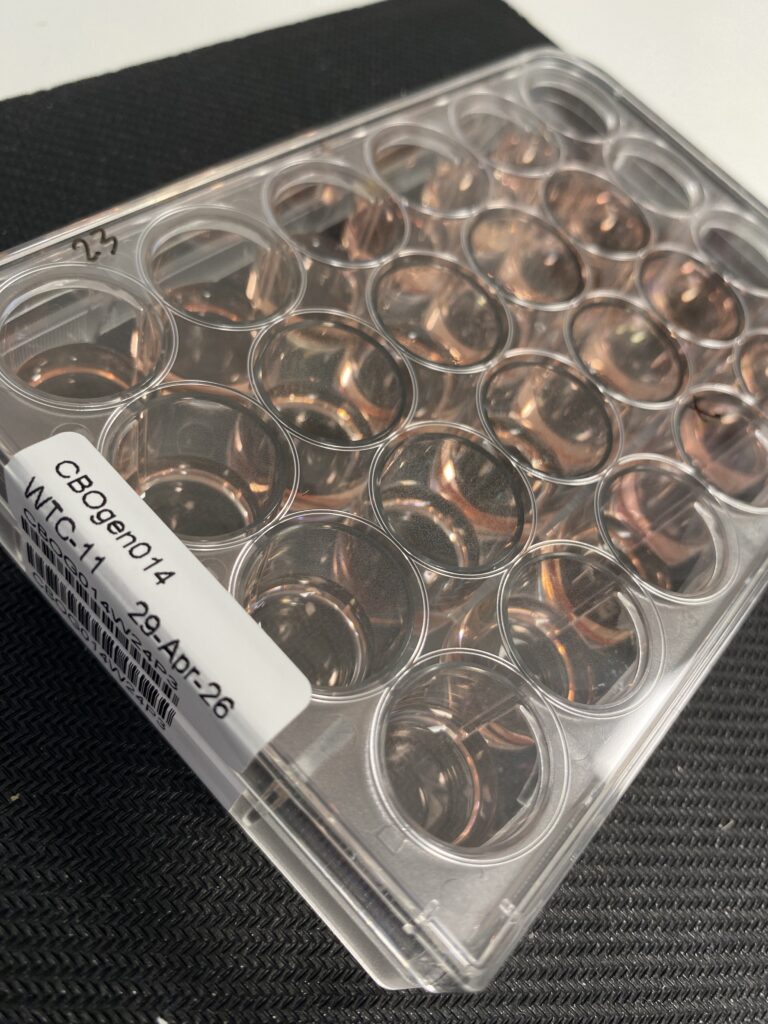
The Australian Organoid Facility, supported by Phenomics Australia, is another example of what is possible when infrastructure, expertise and innovation align. Their automation of brain organoid production, and expansion into patient‑derived organoids for compound screening, offers a glimpse into the future of personalised, human‑relevant medicine. But these breakthroughs rely on sustained investment in research infrastructure.
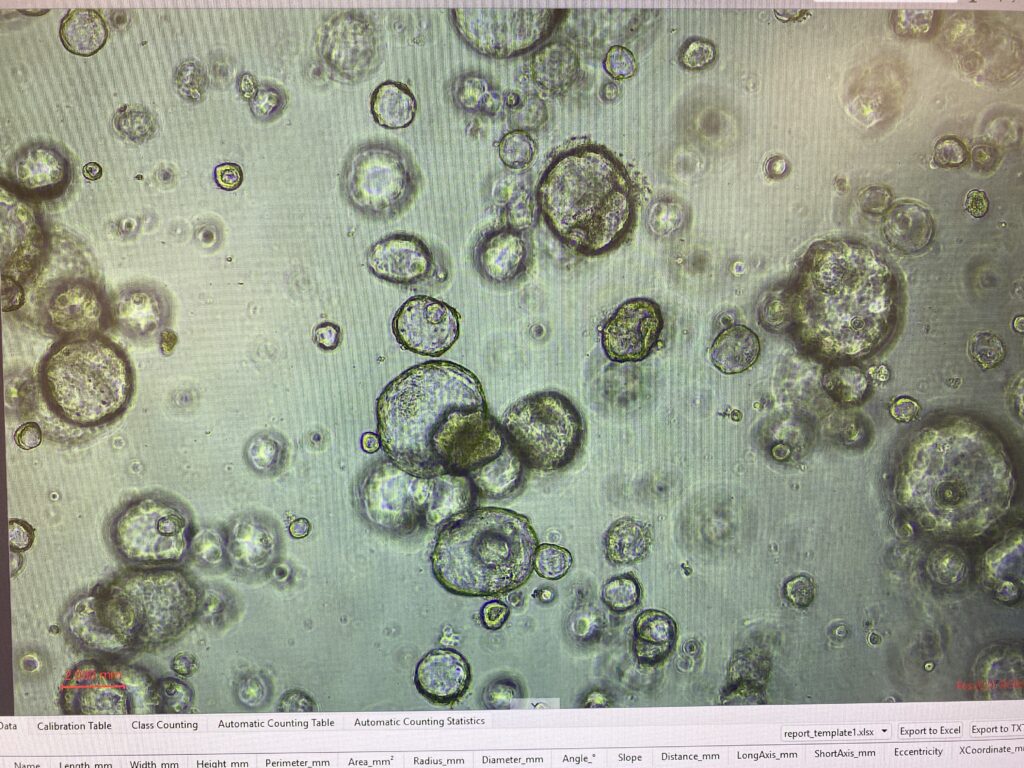
Gut (left) and brain (right) organoids have the potential to accelerate drug screening specific to a patient’s condition using their own tissue, amplifying the accuracy of future treatments. Image taken at The Australian Organoid Facility.
Protecting Australia’s capability in emerging technologies.
The SERD report’s recommendations amplify calls for long‑term protection of sovereign capabilities essential to Australia’s innovation future, this. NCRIS funding outcomes released last week from the Department of Education are a welcome sign that the government is acting to strengthen Australia’s capability in emerging technologies, also also aligning with the investment priorities recently released in the 2026-2036 National Health and Medical Research Strategy.
As Australia’s life sciences innovation accelerator, MTPConnect works closely with TIA, an NCRIS steward for therapeutic development, helping Australian companies access research infrastructure through initiatives such as the Australian Antimicrobial Resistance Network, and more recently, its CTCM medtech accelerator program.
The QDDA Symposium reinforced what the sector already knows: a cohesive, well‑funded network of critical research infrastructure is not a luxury. It is the lifeblood of Australia’s next-generation of medical innovations and the foundation on which our global competitiveness depends.
Australia is well positioned for the transformative shift in drug safety evaluation using New Approach Methodologies – if we can continue protecting our critical research infrastructure and coordinate our efforts.
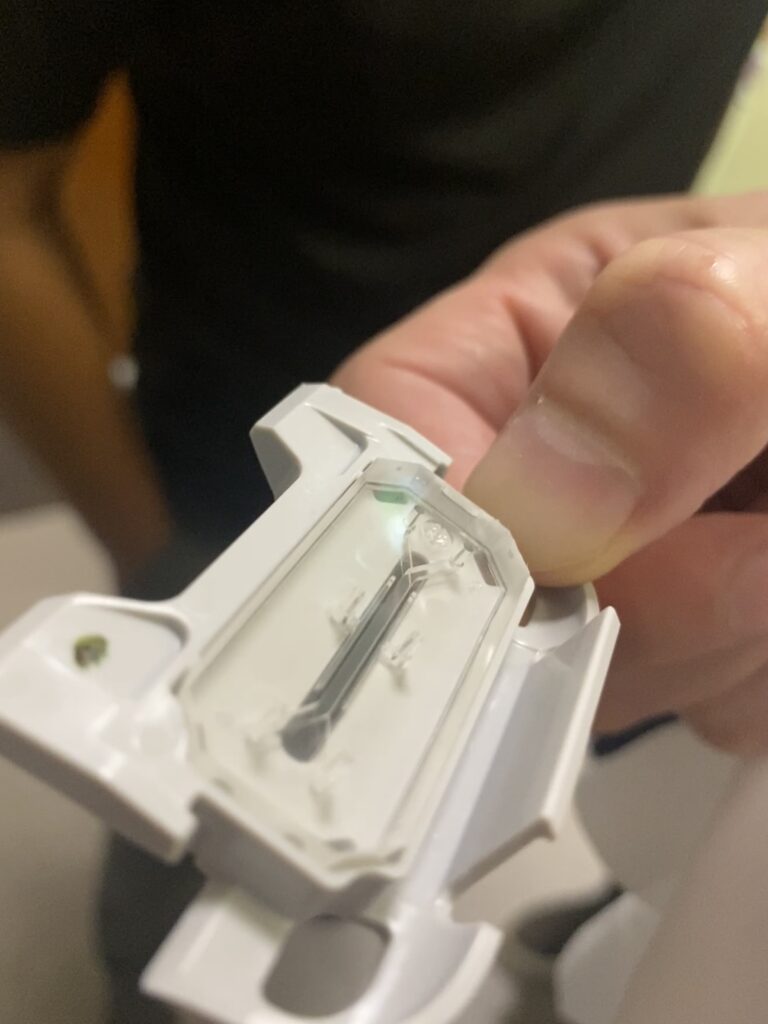
Organ-on-chips from the CIPDD are powerful systems that can mimic the dynamic microenvironment of organs. Image taken at the Centre for Integrated Preclinical Drug Development.