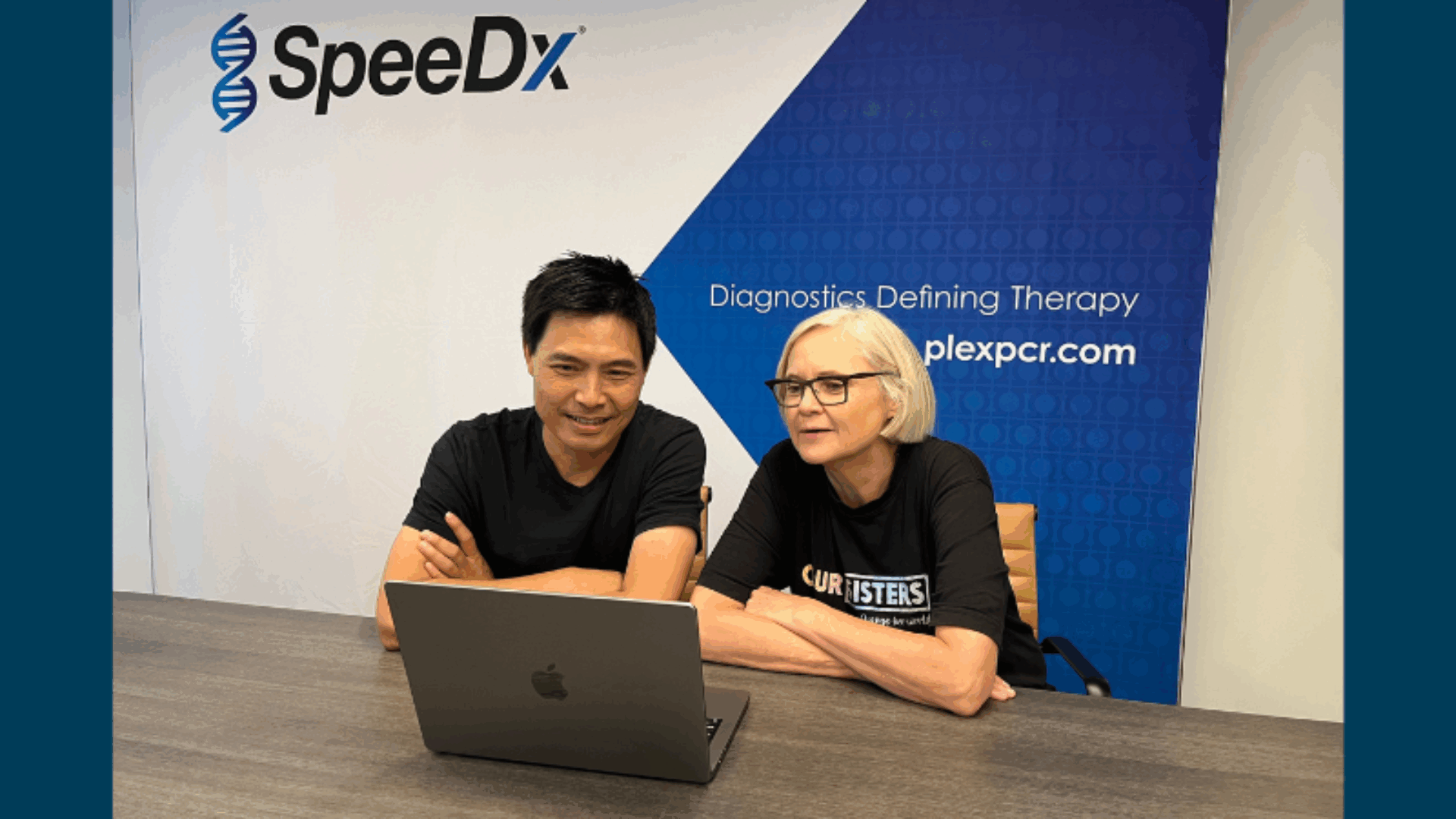
Current molecular diagnostics tests are great at identifying microbes but not so good at working out which ones are actively causing an infection, or whether they are still active. SpeeDx is working on a program that could solve this dilemma and received a REDI Fellowship to bring Associate Professor Nham Tran on board to help in the quest.
Pioneering diagnostics company SpeeDx is developing new techniques that are better able to detect infections. A REDI Fellowship allowed it to tap into A/Professor Tran’s expertise in identifying pathogens through their RNA.
During the Fellowship, A/Professor Tran from University of Technology Sydney (UTS) worked on the InSignia project – a newly developed diagnostic test for sexually transmitted infections for types of chlamydia and gonorrhoea. A/Professor Tran specialises in investigation of small RNA biomarkers within clinical contexts and the exploration of the role of small RNAs in various diseases.
The SpeeDx InSignia work is important not just to provide a better diagnostic tool, but to combat increasing microbial resistance to antibiotics. The problem is that current molecular diagnostic tests for infectious diseases identify pathogens by detecting their nucleic acids, regardless of whether the pathogens are actively causing infection or not. A false positive increases the risk of over-diagnosis and over-prescription of antimicrobials.
A simple, scalable test to determine if antimicrobials are required
InSignia aims to provide a simple, scalable test to quickly determine whether a pathogen is alive and if antimicrobials are necessary.
By accurately identifying infections, it reduces the incidence of unnecessary antibiotic treatments, thereby decreasing healthcare expenditures by at least three-fold.[1] Early and precise infection detection also enables more efficient use of antibiotic resources, which is particularly crucial in high-prevalence and high-risk areas.
The InSignia product is unique, and SpeeDx launched its research-use only version into the market in May-June 2024, with the aim of developing a point-of-care device in the future.
The company hopes that InSignia will help guide clinicians in making informed decisions about antibiotic use, while data from the program can help shape treatment protocols and public health strategies, fostering a more systemic approach to antimicrobial stewardship.
A/Professor Tran used his diagnostic experience and understanding of the market to provide a detailed analysis of the competitive environment. This input assisted in shaping the strategic direction of the project, helping SpeeDx to identify areas for development and potential market opportunities. He also used his expertise to perform bioinformatic analysis on RNA sequencing data for the InSignia project to identify potential future diagnostic targets. This would enable SpeeDx to expand its portfolio of diagnostic targets into the future.
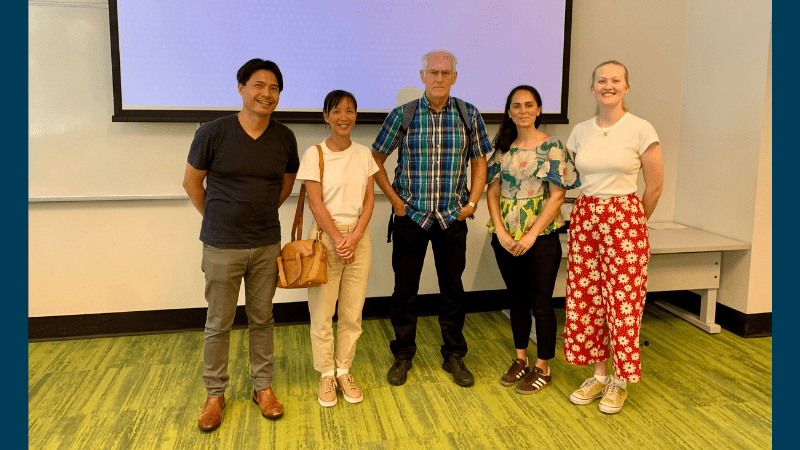
Pictured, from left: A/Professor Tran with the SpeeDx team – Yin Xu, Jan Ruijter, Nicole Lima and Ingrid Aneman.
Experienced, qualified mentors at SpeeDx for the InSignia project
At the company, A/Professor Tran was mentored by Chief Scientific Officer and Director, Dr Alison Todd, and Dr Nicole Lima, Research Manager for the InSignia project.
They helped him understand the complex labyrinth of regulatory requirements, covering Therapeutic Goods Administration (TGA) and Food and Drug Administration (FDA) approvals, compliance standards and ethical considerations in clinical applications in Australia and the US, respectively.
The experience gave A/Professor Tran a clear understanding and practical know-how to translate his research discoveries into viable diagnostic solutions with real-world impact.
“The REDI Fellowships are a career-defining program which allows for personal growth and the possibilities for future collaborations,” he said.
“I hope the program will continue to be funded and allow Australian companies such as SpeeDx to invest in talent and grow our medical device industry.”
Linking SpeeDx with the UTS internship program – benefits for everyone
A/Professor Tran’s work at SpeeDx also benefitted his home institution UTS. He linked SpeeDx with the UTS internship program, which led to SpeeDx hosting a group of biomedical engineering undergraduates for an internship project. The interns worked on the design and development of a point-of-care device to be commercialised.
A/Professor Tran also contributed expertise to the company in various other ways, including training SpeeDx staff in workshops focusing on RNA sequencing and providing network opportunities to connect with world experts in qPCR. Additionally, A/Professor Tran increased awareness of SpeeDx’s products within the scientific community via connecting SpeeDx with UTS academics. This led to a collaborative project between the company and a 3D bioprinting and stem cell technology expert at UTS, focused on developing new growth mediums.
SpeeDx highly valued the input provided by A/Professor Tran and recognises the collaboration’s significance and worth.
Summing up the REDI Fellowship experience, SpeeDx Director Dr Todd said: “Having Nham here as a REDI Fellow has been a true win-win for our company. We will continue working with him and others at UTS and keep exploring new opportunities.”
https://www.mtpconnect.org.au/Image?Action=View&Image_id=6381