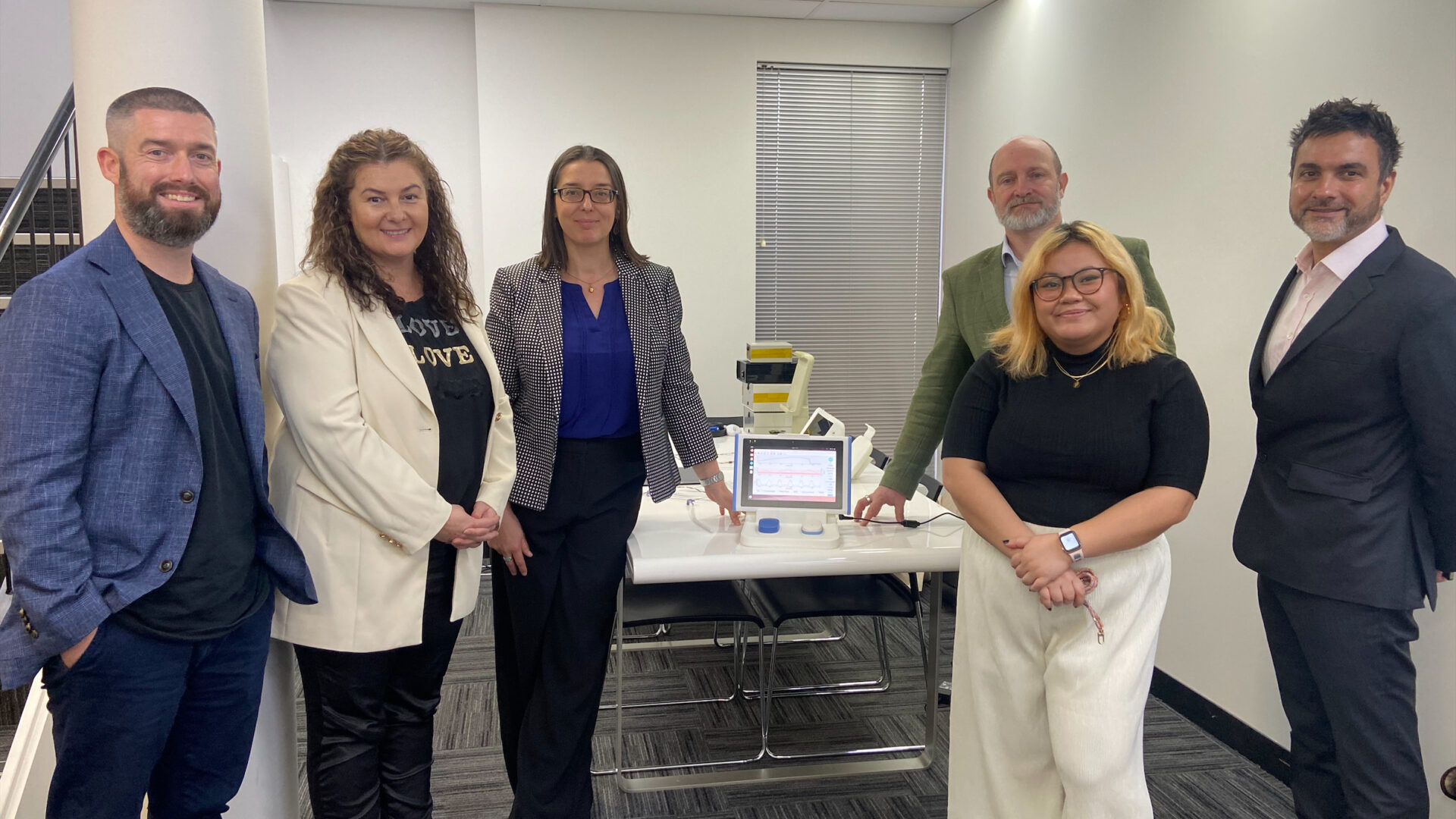
Early detection is critical, as it can prevent lifelong, incurable disabilities such as developmental delay, epilepsy, vision and hearing impairment, and cerebral palsy (CP). With 20 per cent of CP cases caused during childbirth2, there is a significant opportunity for prevention. To prevent hypoxic birth injury, it is routine to monitor the fetal wellbeing during labour. The standard of care, the cardiotocography (CTG), measures fetal heart rate (FHR), a subjective, inaccurate, unreliable biomarker for fetal hypoxia. This can lead to missed or delayed diagnoses.
Fetal heart rate monitoring has an inherent 70 per cent false positive rate resulting in an estimated 16,000 unnecessary C-sections in Australia each year. These procedures are linked to higher maternal mortality, longer recovery times and hospital stays, an increased risk of infection, and a greater chance of postpartum depression compared to vaginal delivery. A more accurate and objective method for monitoring foetal distress is urgently needed to improve health outcomes for both mother and child.
A world-first sensor design
Perth-based SME VitalTrace is developing DevliAssure, a continuous lactate sensor to address this critical unmet need. Fetal blood lactate has been used to determine the presence of life-threatening fetal hypoxia in clinical practice for decades. Lactate rises as oxygen supply decreases, and is a robust indicator of fetal hypoxia, with numerical, clinically validated cut-offs to manage labour.
While there are current methods to measure lactate to monitor foetal distress, they are underutilised as they require an invasive, time and skill intensive in-utero blood test which results in a single data point, often outdated by the time it is received. The potential for lactate monitoring has remained unrealised, until now. DelivAssure utilises biosensor placed on the foetus’s scalp, connected to a small wearable monitor to measure foetal lactate continuously and less invasively.
This will help clinicians make informed decisions based on precise and objective measurements, allowing early intervention in cases of foetal hypoxia before permanent brain damage occurs, while also reducing the number of avoidable C-sections.
The device’s wireless design enables maternal mobility to alleviate pain compared to the traditional wired CTG. This world-first novel technology received a Breakthrough Device Designation from the US Food and Drug Administration (FDA) in 2022, recognising its potential to transform perinatal care.
In 2023, VitalTrace was awarded $656,666 in funding through MTPConnect’s Clinical Translation and Commercialisation Medtech (CTCM) program to further advance its technology through clinical testing, along with mentoring and support from program partner, Cicada Innovations.
Design innovation meets local manufacturing expertise
Through the CTCM program, VitalTrace successfully conducted a study in healthy human adults, which, combined with outcomes from ongoing preclinical studies, informed crucial design and material choices for its First-in-Foetus clinical trial.
The company then finalised its design and material specifications, manufacturing its clinical prototype at its advanced facility in Perth. Extensive validation and verification testing was also conducted to ensure the prototype performed to expectations. This included robust studies to determine the optimal sterilisation doses for maintaining biosensor sterility and performance, as well as carrying out the sterilisation of the clinical prototypes themselves, supported through the CTCM’s Value-Add Voucher scheme.
Manufacturing the high-tech device proved challenging, requiring precision and quality from suppliers, deep technical expertise and strong supplier engagement. Expertly navigating these hurdles, VitalTrace’s biosensors are manufactured in Western Australia, with components sourced both locally and internationally. Other components of the device are assembled in-house. This commitment to advanced domestic manufacturing delivers a tangible boost to Australia’s sovereign manufacturing capability.
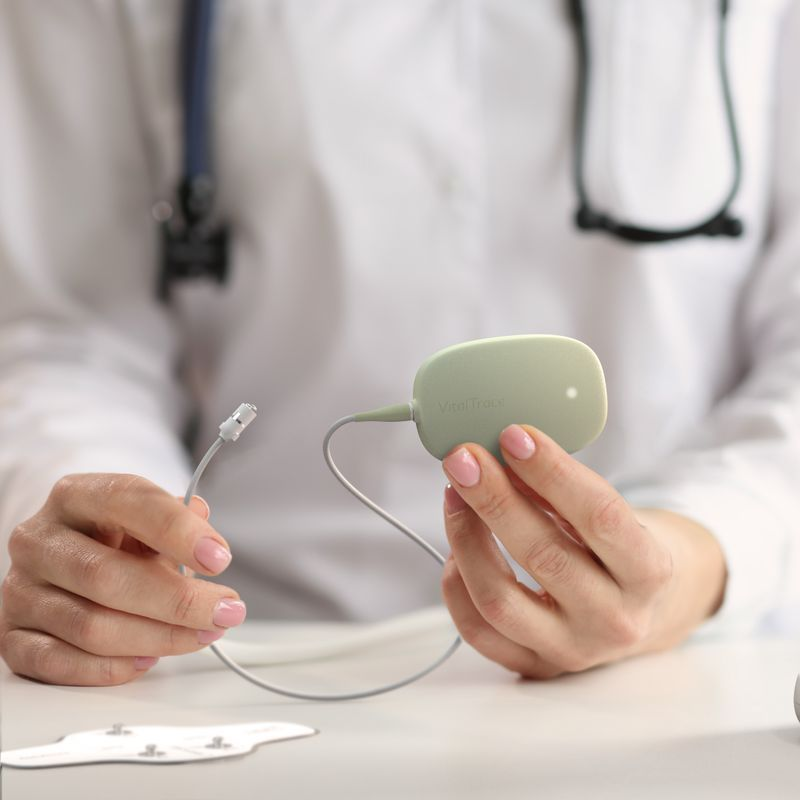
A unified platform for Medical Sensing.
Early results show promising accuracy
VitalTrace successfully commenced its feasibility clinical studies, collaborating with King Edward Memorial Hospital (WA), Monash Health and Eastern Health (VIC) and Royal North Shore Hospital (NSW). The clinical trial is ongoing, with early results showing promising sensor accuracy. Valuable feedback from patients and clinicians is also being gathered to guide further design improvements.
“Our greatest achievement is seeing this DelivAssure progress to our First-in-Foetus clinical trial. We were able to generate continuous lactate data from a human foetus for the first time in history. This milestone brings us one step closer to transforming obstetric care, reducing avoidable C-sections, neonatal death and lifelong brain injury,” said Dr Arjun Kaushik, the company’s CEO and Founder.
“The support of the CTCM program has been instrumental in accelerating our development.”
Building clinical evidence towards regulatory approval
With its clinical evidence data growing, VitalTrace is moving a step closer to regulatory approval and future market entry. Clinical validation will enable further conversations with strategic investors, commercial partners and research collaborators. Throughout the process, the company has also engaged in Breakthrough Device Sprint discussions with the US FDA to confirm its clinical evidence and validation plans, ensuring a clear path towards eventual regulatory approval.
Through the CTCM program, VitalTrace was also able to engage with a US medtech consultant to help develop its US and global go-to-market strategy. Their extensive experience bringing medical devices to market at major international medtech companies has proved invaluable to the team.
“In the next 12 months, VitalTrace will begin pivotal clinical studies and prepare for regulatory submissions in Australia, US and EU. I believe VitalTrace is on the cusp of moving closer to commercialising DelivAssure, a paradigm-shifting medical device that will provide clinicians with the objective, real-time and accurate data needed to make birth safer for mothers and babies,” said Dr Kaushik.
The DelivAssure represents a promising advancement in perinatal care, with the potential to provide a safer, more precise way to monitor foetal health during labour. At the same time, the project highlights the strength of Australia’s medtech sector, demonstrating local innovation, advanced manufacturing capability and the potential to compete globally while improving outcomes for mothers and babies.
1. https://www.ajog.org/article/S0002-9378(08)00776-X/fulltext